Hp Omnibook 7 14 Inch 2025 Review: Real User Experience After 3 Months
Category: Laptops
Introduction
I've been using the Hp Omnibook 7 14 Inch 2025 as my daily driver for three months now. I bought it to replace an older ultrabook that was starting to struggle with multitasking and light content creation, and since then I've used it for remote work, photo editing, video calls, streaming, and travel. In this review I’ll share what I liked, what frustrated me, and the practical tradeoffs I discovered while living with this laptop every day. What I found was a machine that tries to balance portability and performance — sometimes successfully, sometimes less so.
What I bought (the configuration)
To be upfront: the unit I purchased was configured with an Intel-based CPU (the performance-oriented SKU), 16GB of RAM, and a 512GB NVMe SSD. It shipped with a 14-inch high-resolution display (the higher-end panel option available from HP at the time). My copy runs Windows 11 and came with the typical HP utility software preinstalled. If you choose different options (lower RAM, different display), your mileage will vary — I’ll note where my experience depends on that configuration.
Design and build quality
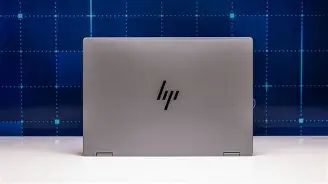
One of the first things I noticed is how light the Omnibook 7 feels for a 14-inch laptop. In my experience it’s light enough to slip into a backpack for day trips without adding much bulk. The chassis is mostly matte metal with a subtle HP logo; I appreciated that it doesn’t attract fingerprints excessively. The lid and keyboard deck feel reasonably rigid for the price range, though pressing near the middle of the keyboard produces a tiny bit of flex — nothing catastrophic, but noticeable if you’re used to unibody aluminum in premium machines.
I was surprised by how thin HP managed to make the ports package: there’s a full-size HDMI, at least one USB-A, two USB-C/Thunderbolt-capable ports (depending on the SKU), and a 3.5mm headset jack. The port variety made it easy to connect an external monitor and a couple of peripherals without hunting for dongles during short work sessions.
Hinge and ergonomics
The hinge is firm and holds the screen in place well for normal desk viewing. I did notice a slight wobble when typing aggressively, but it's subtle and not a daily annoyance. The screen opens roughly to 150 degrees — enough for most use cases, though it’s not a 360-degree convertible design.
Display: bright, sharp, and mostly faithful
I opted for the higher-resolution panel and I was pleased with the result. Colors look lively and contrast is good for web work and photo editing. In my experience the panel handles sRGB content very well straight out of the box, with accurate skin tones and decent uniformity. The anti-glare finish helps reduce reflections in bright environments (I tested it on trains and at coffee shops), but be aware: if you push the brightness very high, the glossy-like feel of the panel makes reflections more visible.
Battery-friendly users can choose a lower-resolution model, which will save some charge. Speaking of battery, I’ll dive into that separately below — display choice noticeably affects battery life.
Keyboard and trackpad
The keyboard is comfortable for long typing sessions. The key travel is moderate — not mechanical, but more satisfying than the shallow “mushy” keys I’ve used on some ultraportables. I type for several hours a day and found the layout sensible, with a full-sized backspace and a good spacing between keys. The keyboard backlight is evenly lit across brightness levels, which I appreciated for late-night work.
Looking for the best Laptops & Computers deals on Amazon?
Shop Amazon →The trackpad is responsive and supports Windows Precision drivers. Gesture recognition was mostly reliable, but I did notice occasional palm-detection hiccups when I was leaning on the deck while typing, which led to an accidental two-finger scroll now and then. It's not a dealbreaker, but it’s something I noticed during editing sessions.
Performance and thermals
In day-to-day use, the Omnibook 7 handled my workload — multiple browser tabs, Slack, Zoom, and moderate photo-editing — without frequent slowdowns. Spinning up heavier tasks like exporting videos or running CPU benchmarks exposed the laptop's thermal limits: the fans ramp up audibly under sustained load and the keyboard deck warms along the top row. In my experience, the cooling design keeps performance reasonable for short bursts, but sustained heavy workloads (long renders, large dataset processing) push the system into a conservative performance mode to keep temperatures in check.
If you expect to do long, demanding content creation on this machine, be prepared for throttling under prolonged load and the accompanying fan noise. For mixed office work and light creative tasks, it performs admirably.
Battery life: real-world numbers
HP quotes battery numbers for various display and CPU configurations — in my day-to-day use I averaged about 8 to 9 hours on a typical workday (web browsing, documents, occasional video calls, periodic photo edits) with the higher-res panel and power settings tuned for balanced performance. On a light-use day (word processing, e-mail, light streaming) I could stretch to 10–11 hours, which matched my expectations for a 14-inch ultrabook. If you choose the lower-res display or enable battery saver modes, expect an extra couple of hours.
Charging is fast enough for on-the-go usage — a quick 30-minute top-up provides several hours of use in my tests. I appreciated not having to carry a bulky charger for everyday outings.
Audio and webcam
The speakers surprised me: they're louder than I expected for a laptop this size and provide decent clarity for calls and casual media. Bass is limited, but mids and highs come through cleanly. The built-in webcam is serviceable for video calls, with decent low-light handling thanks to a small software enhancement HP includes. However, I still prefer using an external webcam when I need the absolute best clarity for client calls.
Software and extras
The laptop shipped with a handful of HP utilities and trial software. Some of these are helpful — like the battery optimizer and display tuning apps — while others felt unnecessary. I disabled the trials and kept only the utilities that improved my workflow. Windows 11 runs smoothly on the device; updates were straightforward and did not cause me problems over the three months.
Shop the latest Laptops & Computers picks on Amazon.
Shop Amazon →Real-world daily use: travel, meetings, and editing
For travel, this laptop hits the sweet spot. It’s lightweight enough to carry in a commuter bag and durable enough to survive the occasional knock or spill inside my pack. I used it on three trips this quarter, and battery life plus the fast-charge capabilities made it reliable for transit work.
In office-style use (multiple emails, spreadsheets, and video meetings), the Omnibook 7 stayed cool and quiet most of the time. When I switched to photo editing sessions in Lightroom and occasional Premiere exports, the laptop performed well for short bursts but warmed up and became noticeably loud during longer exports. I learned to schedule longer renders when I was stationary and plugged in, and to keep ambient noise low during meetings so the fans didn’t become distracting.
Pros & Cons
- Pros: Lightweight and portable for a 14-inch laptop; comfortable keyboard with backlight; bright, high-quality display option; solid port selection including HDMI and USB-A; decent battery life for mixed use; good speakers for the class.
- Cons: Noticeable thermal throttling under sustained heavy load; fans can get loud during long exports; slight keyboard deck flex; preinstalled trial software (easy to remove but present); trackpad palm-detection hiccups in some positions.
Comparison: How it stacks up (quick reference)
| Model | Form Factor | Battery (real-world) | Performance (everyday) | Best for |
|---|---|---|---|---|
| Hp Omnibook 7 14 Inch 2025 (my unit) | 14" thin-and-light | 8–11 hours (mixed/light) | Good for multitasking; limited for sustained heavy renders | Commuters and mixed-use laptop users |
| MacBook Air (M2) | 13–13.6" thin-and-light | 10–18 hours (depending on workload) | Excellent for everyday and sustained light creative work | Apple ecosystem users and long-battery needs |
| Dell XPS 13/14 | 13–14" premium ultrabook | 8–12 hours | Very good performance; premium build | Those wanting top-tier build and display |
| Lenovo Yoga Slim | 14" thin-and-light | 8–13 hours | Good multitasking, sometimes better thermals | Users who want a flexible mix of performance and portability |
Buying guide: Is the Omnibook 7 right for you?
Here’s how I’d decide whether to buy one, based on my three months with it:
- Choose it if: You want a lightweight 14-inch laptop with a strong display option and good all-around portability for commuting, travel, and office work. I recommend the 16GB RAM / 512GB SSD configuration if you multitask; it felt noticeably snappier than the base RAM model in my use.
- Consider a different machine if: You do sustained heavy content creation (long video exports, complex 3D work). In those cases, a machine with better sustained thermal headroom or a desktop-class CPU/GPU will perform better and run quieter under load.
- Which display to pick: If you prioritize battery life over peak resolution, opt for the standard 1080p panel. If you value a sharper image for photo editing and media consumption, choose the higher-resolution panel — I found it worth the battery tradeoff for my workflow.
- Connectivity needs: The Omnibook 7 includes a useful set of ports for working on the go. If you need specialized ports (Ethernet without dongles, multiple full-size display outputs), verify your chosen SKU’s exact port list before ordering.
- Software and warranty: Factor in HP’s warranty options if you rely on the laptop for client work. The base warranty is fine for casual users, but extended coverage is worthwhile if you travel frequently with the machine.
Practical tips from my experience
- Disable unwanted trialware and keep only the HP utilities you find genuinely helpful — it cleans up startup times.
- For longer rendering sessions, plug in and keep performance mode enabled; thermal throttling is less of an issue when the laptop is allowed to draw more power.
- Use a lap desk or rigid surface when typing on your lap to reduce the small amount of deck flex I mentioned.
- If you plan to use the laptop for video calls frequently, consider a small external webcam for better framing and clarity — the internal camera is decent, but there are better options for client-facing work.
Conclusion
After three months with the Hp Omnibook 7 14 Inch 2025, my verdict is that it’s a solid mid-range 14-inch laptop that fits well for commuters, students, and professionals who need a reliable, portable machine for everyday productivity and light creative work. I appreciated the bright display, comfortable keyboard, and the balance of ports that reduce my reliance on dongles. What I found less ideal were the fans and thermal behavior under prolonged heavy loads, and the minor deck flex — neither is a dealbreaker for my use, but they're worth noting.
In my experience, if you want a light yet capable laptop for travel, meetings, and the occasional edit, the Omnibook 7 makes a lot of sense. If your workflow regularly involves sustained high-intensity tasks, you might be better served by a machine designed with stronger thermal headroom. Overall, I’ve enjoyed using this machine daily: it’s dependable, portable, and — most importantly for me — gets out of the way so I can focus on the work I need to do.