The Ultimate Showdown: Samsung Qn70F Neo Qled Tv vs Samsung Q7F Qled Tv for 2026
As we navigate the middle of 2026, the television landscape has reached a fascinating crossroads. For nearly a decade, Samsung has dominated the premium display market through its QLED branding, but the introduction of Neo QLED technology changed the trajectory of what consumers expect from a high-end panel. Today, we are looking at two titans that represent different philosophies in the Samsung lineup: the Samsung QN70F Neo QLED TV and the Samsung Q7F Qled Tv. While both carry the QLED lineage, they target very different types of viewers, from the budget-conscious cinephile to the tech enthusiast who demands the absolute pinnacle of brightness and HDR performance.
Buying a television in 2026 is no longer just about resolution. With 4K having matured and 8K remaining a niche luxury, the real battleground is now fought in the realms of backlight precision, peak luminance, and smart integration. The "F" series models represent the latest refinement in these categories. In this deep-dive comparison, we will explore whether the premium investment required for the Mini-LED powered QN70F is justified over the refined, classically reliable Q7F, or if the standard QLED technology still offers the best "bang for your buck" in the current market.
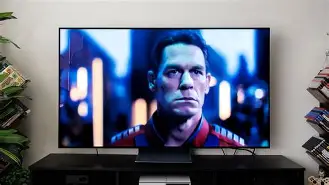
Understanding the Core Technology: Neo QLED vs. QLED
Before diving into the specific models, it is essential to define what separates these two technologies. Standard QLED (Quantum Dot Light Emitting Diode) relies on a traditional LED backlight that shines through a layer of quantum dots to produce more vibrant colors than a standard LCD. The Samsung Q7F utilizes this technology, often paired with edge-lighting or basic full-array local dimming, depending on the specific chassis size.
Neo QLED, found in the QN70F, is the evolution of this concept. It utilizes Quantum Mini LEDs, which are roughly 1/40th the height of a conventional LED. Because these light sources are so much smaller, Samsung can pack thousands more of them into the backlight. This allows for significantly more dimming zones, meaning the TV can keep a bright object dazzlingly white while ensuring the black space immediately next to it remains deep and ink-like. In 2026, this technology has reached its peak efficiency, narrowing the gap between QLED and OLED in terms of contrast while maintaining the massive brightness advantage that QLED enthusiasts love.
Detailed Product Review: Samsung QN70F Neo QLED TV
The Samsung QN70F is widely considered the flagship-killer of the 2026 season. It occupies a sweet spot in the Neo QLED lineup, offering the high-end Neural Quantum Processor 4K without the astronomical price tag of the 8K variants. This processor uses 25 different neural networks to analyze content in real-time, upscaling low-resolution broadcasts to near-4K quality with a focus on texture preservation and noise reduction.
In real-world use cases, the QN70F excels in bright rooms. Imagine a living room with floor-to-ceiling windows on a Sunday afternoon. While standard TVs would struggle with glare and washed-out colors, the QN70F’s peak brightness—hitting nearly 2,500 nits in certain HDR windows—simply powers through. The anti-reflective coating on the screen is world-class, diffusing light sources so they don't distract from the high-stakes action of a film or game. For gamers, the QN70F is a dream, offering four HDMI 2.1 ports capable of 4K at 144Hz, which has become the standard for high-end PC gaming and the latest console refreshes in 2026.
Pros of the QN70F Neo QLED
- Unmatched Brightness: The Mini-LED backlight allows for incredible peak luminance, making HDR content pop with lifelike intensity that standard LEDs cannot match.
- Precision Local Dimming: With thousands of zones, "blooming" (the halo effect around bright objects on dark backgrounds) is virtually eliminated, providing a near-OLED level of black depth.
- Superior Gaming Features: Support for VRR, ALLM, and 144Hz refresh rates across all ports ensures compatibility with the most powerful hardware available today.
- Ultra-Wide Viewing Angles: Samsung has refined its optical layers to ensure that colors don't shift or wash out even when sitting at the far end of the sectional sofa.
- Neural Upscaling: Older 1080p content and streaming sports look significantly sharper thanks to the advanced AI-driven processing.
Cons of the QN70F Neo QLED
- Premium Price Point: The advanced Mini-LED technology inherently carries a higher manufacturing cost, reflected in the MSRP.
- Thick Panel Design: To house the massive array of Mini-LEDs and the cooling required for such high brightness, the chassis is slightly deeper than some competitors.
- No Dolby Vision Support: Samsung continues to push HDR10+, which remains a point of contention for users who have large Dolby Vision digital libraries.
Detailed Product Review: Samsung Q7F QLED TV
The Samsung Q7F represents the pinnacle of "attainable luxury." While it lacks the Mini-LED backlight of its more expensive sibling, it utilizes a sophisticated Dual LED system. This technology uses both warm and cool LEDs to adjust the color tone of the backlight based on the content, resulting in more natural skin tones and improved contrast. In 2026, the Q7F has benefited from the "trickle-down" of software features, now including the Gaming Hub and much of the Tizen OS 8.0 interface found on the flagship models.
The Q7F is primarily aimed at the average household that spends most of its time watching streaming services, cable news, and casual sports. It doesn't try to be a studio-grade monitor; instead, it focuses on being a reliable, thin, and aesthetically pleasing center-piece for the home. Because it uses traditional LEDs, the unit is remarkably slim, making it one of the best options for wall-mounting without a significant "gap." While it may not reach the searing brightness levels of the QN70F, its 1,000-nit peak is still more than enough for a vibrant HDR experience in a moderately lit room.
Find top-rated TVs & Home Theater products at great prices.
View Offers →Pros of the Q7F QLED
- Excellent Value: Offers 90% of the daily-use features most families need at a fraction of the cost of Neo QLED models.
- Sleek AirSlim Design: Its incredibly thin profile makes it the aesthetic winner for minimalist home setups and tight wall-mounting situations.
- Color Accuracy: The Quantum Dot layer ensures 100% color volume, producing over a billion shades that remain accurate even at higher brightness levels.
- Energy Efficiency: Without the massive power draw of thousands of Mini-LEDs, the Q7F remains one of the more eco-friendly large-screen options in 2026.
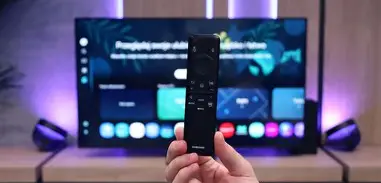
- Fast Smart Interface: The 2026 Tizen OS is snappy and highly intuitive, with excellent voice integration via Bixby and Alexa.
Cons of the Q7F QLED
- Contrast Limitations: Lacking Mini-LEDs, it cannot achieve the same "true black" levels, and some light bleed may be visible in completely dark rooms.
- Reduced HDR Impact: While bright, it lacks the highlight detail and "sparkle" that defines the high-end HDR experience on the QN70F.
- Limited Viewing Angles: If you are sitting off-center, you will notice more color degradation compared to the QN70F's wide-angle layer.
Head-to-Head Comparison Table
To better understand how these two displays stack up against each other for the 2026 model year, refer to the technical specifications and feature comparison below:
| Feature | Samsung QN70F (Neo QLED) | Samsung Q7F (QLED) |
|---|---|---|
| Display Technology | Quantum Mini-LED | Standard Quantum Dot LED |
| Peak Brightness (Nits) | Approx. 2,500 nits | Approx. 1,000 nits |
| Contrast Control | Ultimate UHD Dimming Pro | Supreme UHD Dimming |
| Processor | Neural Quantum Processor 4K | Quantum Processor 4K (Standard) |
| Motion Rate | 144Hz (Motion Xcelerator Turbo Pro) | 120Hz (Motion Xcelerator Turbo+) |
| HDMI Ports | 4x HDMI 2.1 (All high-bandwidth) | 4x HDMI (2x 2.1, 2x 2.0) |
| Audio System | Object Tracking Sound+ (70W) | Object Tracking Sound Lite (20W) |
| Design | NeoSlim Design (Slightly thicker) | AirSlim Design (Ultra-thin) |
| Anti-Glare | Elite Grade Coating | Standard Coating |
Real-World Use Cases: Which One Fits Your Life?
When choosing between these two models in 2026, it is helpful to look past the spec sheet and consider your actual environment and habits. The "best" TV is relative to where it sits and what it plays.
Scenario A: The Dedicated Cinema or Dark Room
If you have a basement theater or you primarily watch movies at night with the lights off, the Samsung QN70F is the clear winner. The critical difference here is black floor elevation. On the Q7F, letterbox bars (the black bars at the top and bottom of a movie) may appear dark gray or show "flashlighting" from the corners. On the QN70F, the Mini-LEDs can completely turn off in those areas, providing a seamless transition from the screen to the bezel of the TV. This creates a much more immersive cinematic experience.
Scenario B: The Bright Living Room / Common Area
For a room that is always buzzing with activity—kids playing in the morning, news in the afternoon, and casual viewing with the lights on at night—the Samsung Q7F is more than sufficient. While the QN70F is brighter, you rarely need 2,500 nits for watching The Morning Show or a weather report. The Q7F’s color volume is still spectacular, and the money saved could be better spent on a high-end soundbar or home theater seating.
Scenario C: The Next-Gen Gamer
In 2026, competitive gaming has moved toward higher frame rates. While 120Hz was the standard for the last generation, PC gamers and "Pro" console variants now aim for 144Hz. The QN70F supports this higher ceiling across all four ports. Furthermore, its ability to handle extremely bright flashes (like explosions or muzzle fire) without losing detail in the shadows gives a competitive advantage in darker games. If your TV is essentially a giant monitor for your rig, do not settle for the Q7F.
2026 Buying Guide: Key Factors to Consider
Before you finalize your decision, consider these three overarching factors that have become increasingly important in the 2026 electronics market:
1. The Longevity of Mini-LED: Mini-LED is a more robust technology than OLED, as it does not suffer from organic degradation or "burn-in." However, compared to standard QLED, the QN70F has more complex electronics driving thousands of individual lights. Historically, Samsung's builds are durable, but the simplicity of the Q7F’s backlight system may appeal to those looking for a 10-year television rather than a 5-year upgrade cycle.
Find top-rated TVs & Home Theater products at great prices.
Shop Amazon →2. Smart Home ecosystem Integration: By 2026, the Samsung SmartThings ecosystem has become the "OS of the home." Both TVs act as a Matter-controller, allowing you to manage your smart lights, thermostat, and security cameras directly from the screen. If you already own other Samsung appliances, the integration on both these models is identical, meaning you don't lose smart functionality by choosing the more affordable Q7F.
3. Sound Quality: A major differentiator often overlooked is the built-in audio. The QN70F features Object Tracking Sound+, which uses speakers built into all sides of the frame to make the audio seem like it’s following the action on screen. The Q7F uses OTS Lite, which is much more basic. If you do not plan on buying an external soundbar or surround system, the QN70F provides a significantly better out-of-the-box audio experience.
Conclusion
The showdown between the Samsung QN70F Neo QLED and the Samsung Q7F QLED in 2026 ultimately boils down to the conflict between "Performance" and "Value." The QN70F is undeniably the superior television in every technical category. Its Mini-LED backlight provides a level of depth, brightness, and HDR nuance that makes every piece of content feel like a premium experience. For the enthusiast who wants the best display technology without moving into the precarious world of OLED burn-in or the extreme costs of 8K, the QN70F is the gold standard.
However, the Samsung Q7F remains a powerhouse in the mid-range market. It proves that standard QLED technology, when refined properly, is still capable of delivering a 4K experience that will blow away anyone upgrading from a TV that is five or six years old. Its slim design and exceptional color accuracy make it a beautiful addition to any room, and its lower price point makes it the logical choice for the vast majority of consumers who want a "great" TV rather than a "perfect" one.
If your budget allows and you value the "theater at home" experience, the QN70F is the investment that will keep you satisfied well into the next decade. If you prefer a balanced approach where style and value are prioritized alongside solid performance, the Q7F will serve your household incredibly well for years to come.